VETERANS
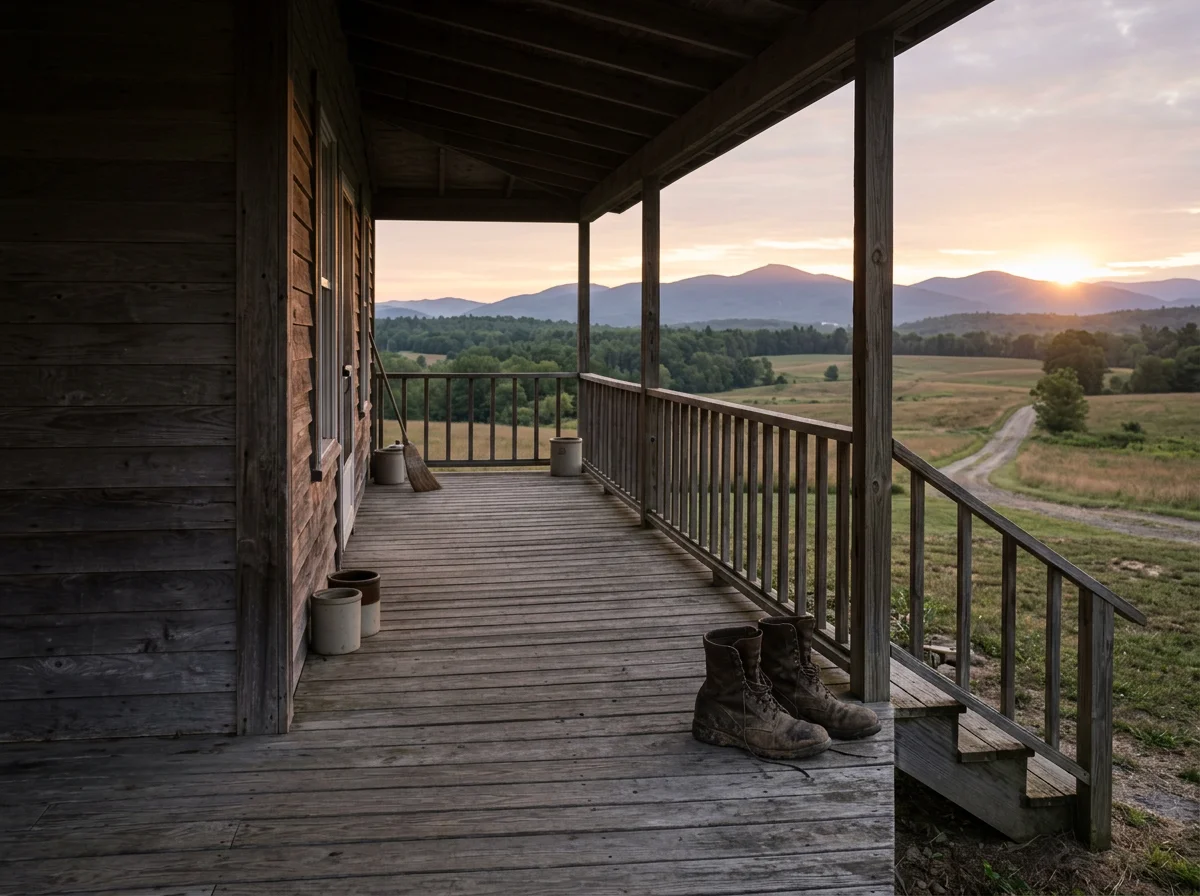
You made it home.
That shouldn't be where we lose you.
This isn't another page telling veterans to be more resilient.
You were trained to function in violence. Some of us were sent to war and actually had to produce that violence. Then we came home to institutions and communities that often expect us to function as though none of it fundamentally changed us.
This page exists for what comes after.
Why This Mission Exists
I went to war as a combat medic. My job was to keep people alive in a place designed to kill them.
I came home wounded, and eventually learned that surviving the battlefield was only the beginning.
For years afterward, I moved through the systems that were supposed to help veterans come home—medicine, mental health care, disability, medication, therapy, and all the bureaucracy wrapped around them.
Eventually, I became a trauma therapist myself. I spent nearly a decade sitting on both sides of that system—as the person receiving care and the person providing it.
And I watched too many veterans disappear.
I don't believe the problem is that veterans aren't resilient enough. I think we're remarkably fucking resilient. Sometimes dangerously so. We learn how to carry things long after we should have asked someone else to help with the weight.
I can't fix every failure in the system. I can't keep every veteran alive.
But I can refuse to accept losing them as inevitable.
Keeping people alive was my mission once before.
Only this time, the battlefield is home.

If You're Struggling Right Now
If you came to this page because you're not sure how much longer you can keep doing this, then forget the rest of the website for a minute.
Stay
You don't have to solve your life tonight. You don't have to figure out the VA, your marriage, your finances, your diagnosis, your career, your trauma, or what the hell you're supposed to do next.
Just don't make a permanent decision in the middle of a moment that can change.
Call somebody. Wake somebody up. Go sit somewhere you aren't alone. Tell another veteran you're having a bad night. You don't need the right words. “I'm not doing okay and I need somebody with me” is enough.
And if there isn't someone you can call, use the Veterans Crisis Line.
Dial 988, then Press 1
Text 838255
Or use the Veterans Crisis Line online chat.
It's available 24/7, it's confidential, and you do not have to be enrolled in VA health care or receiving VA benefits to use it. Veterans Crisis Line
You don't have to decide what the rest of your life looks like tonight.
You just need to stay long enough to see what tomorrow looks like.
We Still Lose Too Many
Veteran suicide gets reduced to a number.
A statistic gets published. A campaign gets launched. Someone changes the number on a graphic. Politicians give speeches. Organizations raise money.
And veterans keep dying.
I refuse to let the argument over the exact number become more important than the people the number represents.
Official suicide statistics matter. We should understand how they're calculated, what they include, what they exclude, and what the evidence actually says.
And statistics are not the entire story.
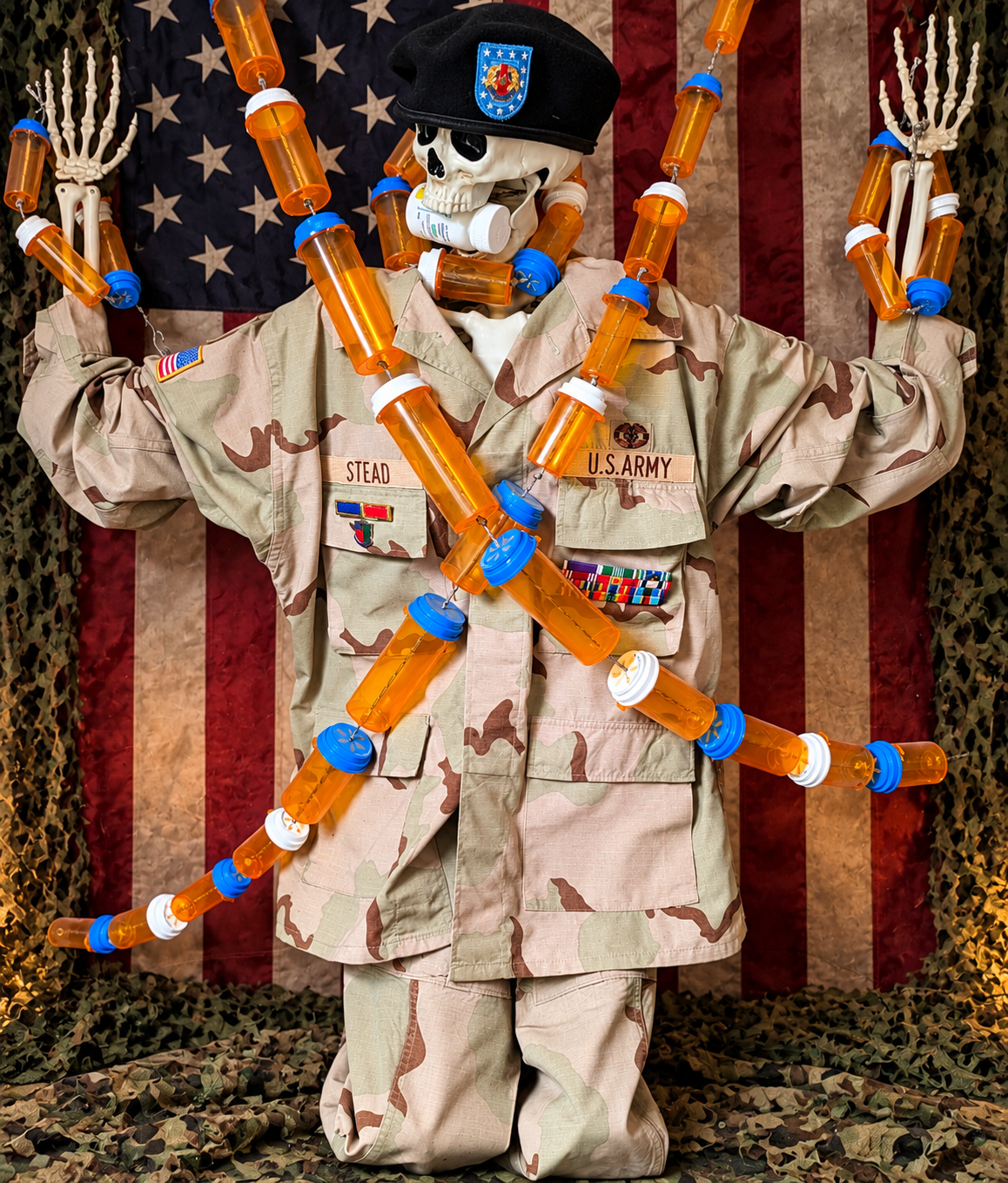
They don't tell you about the veteran slowly drinking himself to death. The overdose nobody can definitively call intentional. The reckless behavior that eventually catches up. The person who simply stops taking care of themselves. Or the families watching someone disappear long before a death certificate gets signed.
That's why I use #StillWeLose40.
It isn't an invitation to manipulate statistics. It's a refusal to pretend that a narrowly defined suicide count tells us everything we need to know about veterans dying after they come home.
We can argue about the number.
I want to talk about why we're still losing them.
Why do I say 40 a day, and why that matters
You'll see me use #StillWeLose40 throughout this website.
That number is not the Department of Veterans Affairs' official suicide count, I’m well aware.
The VA's most recent national report identified 6,488 veteran suicide deaths in 2024, an average of 17.7 veterans per day. VA News
And that number tells us something important.
It doesn't necessarily tell us the whole story.
Research from Operation Deep Dive examined state death records alongside military-service information and expanded the lens beyond deaths officially classified as suicide to include what researchers call self-injury mortality. Their interim research estimated at least 44 former service members per day dying from suicide or self-injury mortality in the states studied. AWP
Even the VA acknowledges a fundamental limitation in suicide statistics: determining intent after someone has died can be difficult, and deaths may therefore not always be recorded as suicide. And that gives the VA an easy out to minimize the problem. As if 17.7 suicides a day is a win. PTSD VA
That's the space I'm talking about.
The overdose. The high-speed single-vehicle crash. The weapon that supposedly discharged accidentally. The veteran whose behavior becomes increasingly self-destructive until eventually something kills them. I rode bulls for 2 years in Arizona 5’10”, 240 lbs., City boy, my death wish was almost guaranteed. If a street kid from Chicago riding bulls isn’t a death wish, I don’t know what is.
We can no longer afford to pretend uncertainty means those deaths have nothing to teach us.
So when I say 40 a day,
I'm talking about a broader body of evidence suggesting that the human cost of self-destructive and self-injurious mortality among people who served may be considerably larger than the official suicide number alone captures.
And ultimately, my mission doesn't depend on whether the number is 18, 22, 40, or 44.
The fact that we can so casually discuss 17 suicides a day in a group that represents less than 6% of the entire population feels a little off.
ONE a day is enough to matter.
The argument over the number should never become more important than understanding why we're still losing them.
If you would like to skim the rabbit hole, please use the links below.

Getting What You've Earned
You shouldn't need a law degree, a YouTube channel, and seventeen browser tabs to understand the benefits you've earned.
And yet here we are.
VA benefits can be complicated, rules change, compensation rates change, programs get expanded or modified, and what you're entitled to can depend on everything from your disability rating to the state where you live.
This section of the website is designed to make that information easier to find and easier to understand.
No clickbait headlines telling you about a “HUGE NEW VA BENEFIT” that turns out to apply to twelve veterans in Guam.
No hiding the useful information fifteen minutes into a video.
And no pretending I know something when I don't.
You'll find plain-language information about VA disability and compensation, significant changes to benefits and regulations, resources for navigating the system, and state-by-state benefits that many veterans don't even know exist.
When something applies only to a specific group of veterans, I'll tell you that up front.
When something comes directly from the VA, I'll link you to the source.
When something is my interpretation or experience navigating the system, I'll tell you that too.
You earned the benefits.
You shouldn't have to earn the information needed to understand them.

Healing Doesn't Require a Veteran Label
Some of the problems veterans face are uniquely connected to military service.
A lot of them aren't.
Trauma is trauma. Relationships are relationships. Learning to trust yourself again, understanding your own conditioning, finding meaning, reconnecting with your body, making difficult decisions, and figuring out who you are after your life changes aren't veteran problems.
They're human problems.
That's why I haven't created a separate library of “veteran healing resources.”
The resources on this website are for people.
Take whatever helps. Ignore whatever doesn't. You don't need a diagnosis, a disability rating, a combat patch, or anyone's permission to use them.
Everything in the resource library is free.

The Mission Continues
I can't fix the VA.
I can't undo the wars we've fought, bring back the people we've lost, or build a system that catches everyone before they fall.
And neither can you.
But we can do something.
Check on the veteran who disappeared from the group chat.
Help somebody understand a benefit you already figured out.
Sit with someone who's having a bad night.
Share information that might save somebody six months of fighting a bureaucracy.
Ask better questions.
Challenge systems that aren't working.
And when you see someone struggling, don't assume somebody else is handling it.
You don't need an organization, a nonprofit, a title, or my permission to participate in this mission.
Sometimes keeping somebody alive looks like crisis intervention.
Sometimes it looks like answering the fucking phone.
We made it home.
Let's help each other stay here.